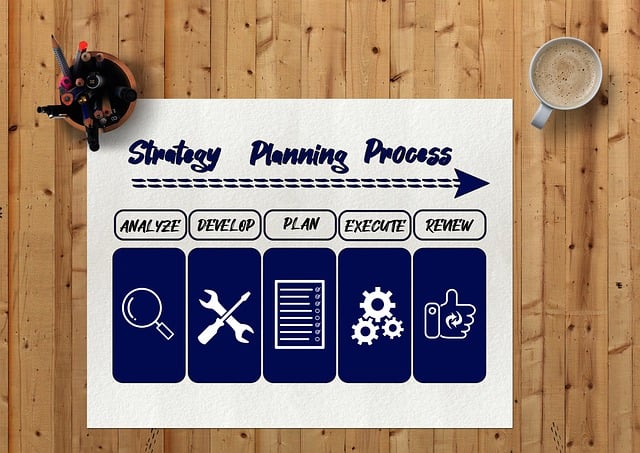
In the realm of business transformation, the DMADV Methodology stands as a powerful tool for driving innovation and creating exceptional customer experiences. This structured approach, rooted in lean manufacturing principles, offers a systematic way to design and develop products or services that meet and exceed market demands. Understanding and implementing DMADV effectively can revolutionize processes, foster efficiency, and lead to groundbreaking solutions. This article serves as your comprehensive guide, taking you step by step through the DMADV process, ensuring you grasp its intricacies and unlock its full potential for driving success in today’s competitive landscape.
- Understanding DMADV Methodology Explained
- Implementing the DMADV Process Step-by-Step
- Benefits and Challenges of DMADV Methodology Explained
Understanding DMADV Methodology Explained
The DMADV Methodology Explained is a powerful approach to manufacturing that focuses on creating dynamic, sustainable processes while minimizing waste. This system, developed by Lean experts, offers a structured framework for manufacturers to optimize their operations and drive efficiency across all stages of production. By following clear and concise records, the DMADV process fosters seamless workflow connections, ensuring every step aligns with overall strategic goals.
The methodology comprises five distinct phases: Define, Measure, Analyze, Design, and Verify (DMADV). In the Define phase, the core business problem or opportunity is identified, setting the stage for targeted improvements. The subsequent Measure phase involves collecting data to quantify current performance, revealing areas where enhancements can be made. During the Analyze step, root causes of inefficiencies are uncovered, providing insights to inform strategic decisions. This analytical rigor is pivotal for developing effective solutions.
In the Design phase, teams collaboratively create innovative solutions that meet customer requirements while adhering to sustainability initiatives. Here, dynamic manufacturing strategies can be implemented, leveraging advanced technologies and streamlined processes. For instance, digital simulations can predict outcomes, minimizing trial-and-error and reducing excess stock. Finally, in the Verify stage, proposed solutions are rigorously tested, validated, and fine-tuned to ensure they meet established criteria. This rigorous approach ensures that each phase builds upon the last, creating a robust manufacturing system.
To harness the full potential of DMADV Methodology Explained, organizations must prioritize clear communication and collaboration. By fostering an environment where ideas are freely shared and data is accessible, companies can navigate complex challenges and adapt to evolving market demands. Moreover, integrating sustainability initiatives throughout the process not only reduces environmental impact but also drives long-term cost savings. For instance, implementing circular economy principles can lead to significant resource recovery and recycling rates. Remember that, by finding us at reducing excess stock, we empower manufacturers to embrace a more sustainable future while enhancing overall operational efficiency.
Implementing the DMADV Process Step-by-Step
Implementing the DMADV Process Step-by-Step involves a systematic approach that empowers employees and ensures timely product release with robust customization options. Begin by clearly defining the problem statement, gathering requirements from stakeholders, and conducting thorough market research to identify customer needs. This foundational phase sets the stage for innovative solutions tailored to specific demands. Next, engage in Design Thinking workshops where cross-functional teams brainstorm creative concepts, model prototypes, and gather feedback iteratively. DMADV Methodology Explained encourages diverse perspectives, fostering a culture of collaboration and empowering employees at every step.
Once designs are finalized, transition into the Analysis phase, leveraging data analytics and simulation tools to validate product performance under various scenarios. This rigorous evaluation ensures that the solution meets or exceeds expectations in terms of functionality, reliability, and cost-effectiveness. Following successful analysis, the Development stage brings concepts to life through agile methodologies, enabling rapid prototyping and continuous improvement. Timely product release becomes achievable as development teams work incrementally, incorporating feedback at each phase.
The final step is Implementation, where the new product or service is seamlessly integrated into existing processes and systems. Post-launch assessments monitor performance, gather user feedback, and identify areas for further optimization. Benefits of DMADV implementation are manifold: from concept to creation, it drives innovation, enhances customer satisfaction, and fosters a culture of continuous improvement. For organizations committed to staying ahead, visit us at upskilling for the future anytime to explore how DMADV can revolutionize your product development journey.
Benefits and Challenges of DMADV Methodology Explained
The DMADV Methodology Explained is a powerful approach to product development, offering both significant advantages and unique challenges for organizations striving for innovation. This data-driven process centers on designing products tailored to specific customer needs, ensuring every aspect aligns with market demands. By leveraging detailed customer insights and advanced analytics, businesses can make informed decisions that lead to the creation of personalized products.
One of the key benefits is its ability to establish seamless workflow connections across different departments. Traditionally, product development involves siloed teams working independently. DMADV Methodology encourages cross-functional collaboration, breaking down barriers and fostering a culture of shared responsibility. This integration allows for faster information flow, enabling data-driven decisions that enhance efficiency and productivity. For instance, design teams can work hand-in-hand with market researchers and data analysts to create products that not only meet but exceed customer expectations. Moreover, this collaborative approach encourages the exchange of diverse perspectives, leading to innovative solutions and unique selling propositions.
However, implementing DMADV presents certain challenges. Accurately gathering and interpreting vast amounts of customer data requires robust data management systems and skilled analysts. Additionally, ensuring buy-in across all levels of the organization is crucial for successful execution. Resistance to change or a lack of understanding of the methodology’s value can hinder its effectiveness. Organizations must invest in training and education to help employees grasp the concept fully. By addressing these challenges proactively, businesses can harness the full potential of DMADV Methodology, enabling them to refine product characteristics precisely, leading to market success and customer satisfaction.
To maximize the benefits, companies should adopt a structured approach, incorporating data-driven insights at every stage of development. This may involve creating dedicated DMADV teams or integrating these practices into existing product development methodologies. By giving us a call, we can provide tailored guidance on refining product characteristics exactly once, ensuring every touchpoint contributes to a seamless and innovative customer experience.
By systematically outlining the DMADV Methodology Explained, this article equips readers with a powerful toolkit for driving innovative design and development. Through a step-by-step breakdown of the process, we’ve illuminated how this approach fosters collaboration, reduces time and cost overruns, and enhances product quality. By embracing DMADV’s emphasis on early customer involvement, robust risk mitigation, and continuous improvement, organizations can revolutionize their product creation journeys. Moving forward, implementing these strategies will enable businesses to navigate complex projects with confidence, deliver exceptional results, and secure a competitive edge in today’s dynamic market.
The DMADV Methodology Explained is a structured approach to manufacturing and product development that emphasizes sustainability and efficiency. It comprises five phases: Define, Measure, Analyze, Design, and Verify, each building upon the last. This methodology fosters collaboration, breaks down siloes, and leverages data analytics for informed decision-making. Key benefits include personalized products, enhanced workflow connections, and innovative solutions. Challenges include data management and organizational buy-in, which require structured approaches and training. By integrating DMADV into development processes, organizations can refine product characteristics precisely, driving market success and customer satisfaction.