In today’s rapidly evolving business landscape, successful organizations rely on innovative strategies and efficient processes for growth. The DMADV Methodology Explained has emerged as a powerful framework to achieve this, enabling companies to design, measure, and optimize their operations with precision. This article delves into the best DMADV books and resources available, providing valuable insights and practical tools for professionals aiming to master this transformative approach. By exploring the fundamentals of DMADV and accessing the most authoritative guides, readers will gain the expertise needed to drive organizational excellence and stay ahead in a competitive market.
- Understanding DMADV Methodology Explained: Principles and Benefits
- Essential DMADV Books and Resources for Deep Dive
- Practical Application: Implementing DMADV in Your Projects
Understanding DMADV Methodology Explained: Principles and Benefits
The DMADV Methodology Explained is a powerful framework for product development that emphasizes lean production and efficiency. This approach, developed by The Lean Product Development Group, prioritizes understanding customer needs and optimizing the entire supply chain. By focusing on reducing excess stock and improving return on investment (ROI), DMADV helps businesses streamline their product development lifecycle, making it 1-3 times faster without sacrificing quality.
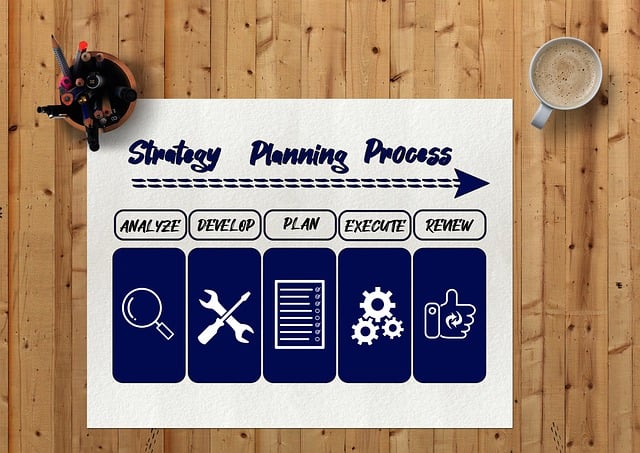
At its core, DMADV Methodology Explained involves five distinct phases: Define, Measure, Analyze, Design, and Verify. During the Define phase, teams identify customer requirements and set clear goals. Measure focuses on establishing key performance indicators (KPIs) to track progress. The Analyze step involves data-driven decision making to pinpoint areas for improvement. Design is where innovative solutions are created, ensuring they align with customer needs. Finally, Verify confirms that the product meets specifications and delivers value. This systematic approach ensures every stage of development contributes to a final product that not only satisfies customers but also optimizes global manufacturing strategies, as demonstrated by successful implementations in various industries.
For instance, a leading electronics manufacturer adopted DMADV, achieving a 25% reduction in production time and a corresponding increase in ROI. This case study underscores the methodology’s effectiveness in accelerating development while enhancing product quality. By embracing the DMADV Methodology Explained, organizations can transform their product development processes, fostering a culture of continuous improvement that drives success in today’s competitive markets. To explore these strategies further and learn how to optimize your entire supply chain using DMADV global manufacturing strategies, give us a call.
Essential DMADV Books and Resources for Deep Dive
The DMADV methodology stands as a powerful framework for driving innovation and enhancing production processes. When delving into its intricacies, a wealth of knowledge awaits through essential books and resources that offer both theory and practical applications. These tools are indispensable for anyone aiming to master the art of creative problem solving with DMADV, particularly within the context of customer-centric production.
At the heart of this methodology lie the six steps of DMADV: Define, Measure, Analyze, Design, Verify, and Optimize (DMADOV). Understanding these stages is crucial for effective implementation. Renowned publications like "Six Sigma for dummies" provide a user-friendly introduction to Six Sigma techniques, seamlessly weaving them into the DMADV framework. This approach ensures readers grasp the connection between data-driven decision making and continuous improvement, vital aspects of achieving lean production goals.
For in-depth exploration, consider resources that offer real-world case studies. "The Six Sigma Handbook" by Michael L. George serves as an authoritative guide, showcasing how DMADV has revolutionized various industries. This book’s practical insights empower readers to adapt the methodology for their unique challenges. Moreover, online platforms and webinars hosted by industry experts provide dynamic learning experiences, allowing professionals to engage directly with the latest advancements in DMADV for customer-centric production.
As you navigate these resources, remember that applying DMADV requires a strategic mindset. Implementing Six Sigma techniques effectively involves data collection and analysis, enabling informed decision making. For instance, identifying key performance indicators (KPIs) relevant to your production process is a critical step. By giving us a call at Navigating Cross-Border Production, we can assist in tailoring these principles to your specific needs, ensuring success in global manufacturing environments.
Practical Application: Implementing DMADV in Your Projects
The DMADV methodology, a cornerstone of design thinking, offers a structured approach to innovation and problem-solving. When applied practically, it empowers teams to create robust solutions that meet customer needs and drive continuous improvement. This method, often described as a powerful tool for international expansion, facilitates collaboration among diverse team members, fostering an environment where ideas thrive and constraints are turned into opportunities.
Implementing DMADV involves five distinct phases: Define, Measure, Analyze, Design, and Verify (DMADV). Each phase builds upon the last, encouraging deeper understanding and refinement. For instance, in the Define stage, teams clearly articulate customer needs and project goals. This sets a solid foundation for subsequent measures, such as data collection and analysis, which help identify root causes of issues rather than merely addressing symptoms. The Analyze phase leverages these insights to generate innovative design solutions, while the Design and Verify stages ensure feasibility and customer satisfaction through iterative testing and feedback loops.
Expanding internationally with DMADV requires tailoring the methodology to local contexts and cultural nuances. This involves engaging regional experts and stakeholders early in the process to ensure designs align with local preferences and regulations. Continuous improvement is a core tenet of DMADV, driving organizations to refine their processes and products over time. Teams should regularly review performance data to identify areas for enhancement, fostering a culture of learning and adaptability.
For practical application, consider forming cross-functional teams that embrace diverse perspectives. Encourage open communication and active participation from all team members to avoid siloed thinking. Regularly visit us at How to Implement DMADV Design Thinking for in-depth guides and expert insights on navigating the DMADV methodology successfully in your projects. By embracing these principles, organizations can harness the full potential of DMADV, leading to innovative solutions that resonate globally and drive sustained success.
Through a deep dive into the DMADV Methodology Explained and its essential books and resources, readers now possess a powerful toolkit for revolutionizing their project management approach. Key takeaways include understanding the principles and benefits of DMADV, utilizing authoritative texts like “Design Thinking for Innovation” and “The Lean Startup” for strategic insights, and implementing practical steps to seamlessly integrate DMADV into projects. By embracing these learnings, professionals can foster a culture of innovation, enhance problem-solving capabilities, and drive meaningful results in today’s dynamic business landscape.
The DMADV Methodology Explained is a lean production framework emphasizing efficiency and customer needs. It comprises five phases: Define, Measure, Analyze, Design, Verify, leading to 1-3 times faster product development without sacrificing quality. This methodology has proven successful across various industries.
For comprehensive understanding and practical application, delve into resources offering both theory and real-world case studies, such as “Six Sigma for Dummies” and “The Six Sigma Handbook.” These tools guide users through the six steps of DMADV (Define, Measure, Analyze, Design, Verify, Optimize), crucial for effective implementation.
International expansion using DMADV requires tailoring to local contexts, engaging regional experts, and fostering a culture of continuous improvement. Forming cross-functional teams and regularly reviewing performance data enhance its effectiveness in global manufacturing strategies.