In today’s fast-paced business landscape, effective product development is a competitive advantage. The DMADV Methodology Explained has emerged as a powerful framework for achieving lean, efficient, and customer-centric innovation. However, navigating the vast array of available resources can be daunting. This article provides an authoritative guide to the best DMADV books and resources, equipping professionals with the knowledge and tools needed to master this transformative approach. By delving into proven strategies and real-world applications, readers will gain a comprehensive understanding of DMADV, enabling them to drive successful product development initiatives.
- Understanding DMADV Methodology Explained: Principles and Benefits
- Essential DMADV Books and Resources for Robust Implementation
- Expert Tips for Applying DMADV Methodology: Real-World Success Stories
Understanding DMADV Methodology Explained: Principles and Benefits
The DMADV Methodology Explained is a powerful framework designed to transform the way businesses approach product development, focusing on efficiency, quality, and customer satisfaction. This systematic process, rooted in Lean manufacturing principles, facilitates the creation of products that meet or exceed market demands while minimizing waste and maximizing value. At its core, DMADV emphasizes proactive problem-solving, emphasizing the importance of understanding customer needs early in the design cycle to build strong brand loyalty.
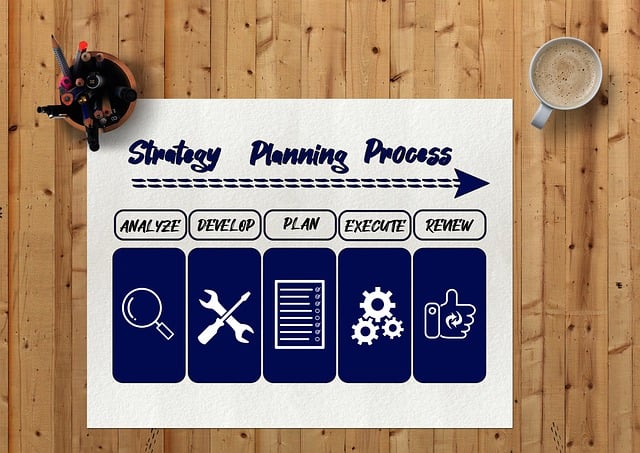
This methodology comprises five distinct phases: Define, Measure, Analyze, Design, and Verify (DMADV). Each phase builds upon the last, fostering a continuous improvement culture within organizations. For instance, the ‘Define’ stage involves gathering customer requirements and setting clear goals, ensuring that every subsequent step aligns with market needs. This proactive approach is particularly beneficial in industries like robotics, where rapid technological advancements necessitate lean production methods to stay competitive.
By integrating DMADV for standardization processes, companies can streamline workflows, reduce errors, and enhance overall efficiency. This structured problem-solving methodology encourages cross-functional collaboration, ensuring that diverse perspectives are considered throughout the development cycle. Moreover, it promotes a culture of continuous learning, where lessons from each project iteration contribute to future innovations. To harness the full potential of DMADV, organizations should encourage open communication channels and foster an environment where employees at all levels feel empowered to offer creative solutions.
Considering the benefits of DMADV in proactive problem-solving, numerous case studies demonstrate its effectiveness across various sectors. For instance, a study by McKinsey & Company revealed that companies adopting Lean manufacturing practices, including DMADV principles, experienced significant improvements in productivity and customer satisfaction. When implemented correctly, this methodology becomes a strategic tool for driving innovation, ensuring that products not only meet current market demands but also anticipate future trends, ultimately giving businesses a competitive edge. For organizations seeking to enhance their product development processes, giving us a call at Building Strong Brand Loyalty can provide tailored guidance on embracing and maximizing the DMADV Methodology Explained.
Essential DMADV Books and Resources for Robust Implementation
The successful implementation of DMADV Methodology requires a robust library of resources and a deep understanding of its principles. For organizations looking to harness the power of this approach, several essential books and tools stand out as cornerstones for effective DMADV adoption. These resources empower employees, streamline global market entry, and facilitate digital transformation within interconnected manufacturing processes.
Central to the DMADV Methodology is the concept of systematic design, which emphasizes a structured approach to problem-solving and innovation. Key books like "Design for Six Sigma: A Practical Guide" by Michael L. George offer invaluable insights into this framework. This guide delves into the principles of Six Sigma, a methodology integral to DMADV, providing practical examples and case studies that illustrate its application in various industries. Similarly, "The DMADV Business Model: A Comprehensive Guide to Building and Implementing Lean-Based Product Development" by John M. Mader serves as a comprehensive resource, offering a step-by-step breakdown of the DMADV process. It equips readers with the knowledge to translate theoretical understanding into actionable strategies for real-world implementation.
Empowering employees is a critical aspect of DMADV success. Resources like "The Lean Product Playbook: How to Innovate with Minimum Viable Products and Rapid Customer Feedback" by Dan Olsen promote a culture of continuous learning and experimentation. By providing employees with the tools to make informed decisions and take calculated risks, organizations can foster a dynamic and adaptable work environment. Furthermore, digital tools and platforms dedicated to DMADV, such as specialized software for process mapping and data analysis, play a pivotal role in enhancing collaboration and efficiency.
In the context of global market entry, DMADV becomes even more critical. Books like "Global Product Development: A Framework for Managing Product Creation in a Borderless World" by David L. Leff and Richard K. D’Aveni offer strategic insights for navigating the complexities of international markets. These resources help organizations align their DMADV practices with global trends, ensuring their products meet diverse cultural and regulatory requirements. Additionally, digital transformation tools that integrate DMADV principles with advanced analytics and cloud-based platforms enable organizations to streamline operations, optimize resource allocation, and stay ahead in the competitive global landscape.
To harness the full potential of DMADV, organizations should find us at empowering employees through DMADV and leverage these essential resources. By combining the deep knowledge from authoritative texts with cutting-edge digital tools, companies can drive significant improvements in product development, market entry, and overall digital transformation.
Expert Tips for Applying DMADV Methodology: Real-World Success Stories
The DMADV methodology has proven to be a powerful tool for businesses seeking to enhance their manufacturing processes and foster a culture of continuous improvement. This approach, developed by the Lean manufacturing pioneer, Dan Jones, offers a structured framework for streamlining operations, empowering employees, and driving sustainable growth. When applied effectively, DMADV for sustainable manufacturing can lead to significant cost savings, increased efficiency, and improved product quality.
Real-world success stories illustrate the impact of DMADV for proactive problem-solving. For instance, a leading automotive manufacturer implemented DMADV to address recurring issues in their assembly lines. By engaging employees at all levels, from floor workers to managers, they identified root causes, implemented innovative solutions, and achieved a 20% reduction in production downtime. This collaboration not only resolved immediate problems but also laid the foundation for a more resilient and adaptable manufacturing system. Furthermore, DMADV for standardization processes enables companies to create consistent, high-quality products while reducing waste and variability. A global electronics company utilized DMADV to standardize their production processes, resulting in a 15% increase in output and a 30% decrease in product defects.
Empowering employees through DMADV is a key aspect that sets this methodology apart. By involving the workforce in problem-solving and decision-making, organizations cultivate a sense of ownership and accountability. This not only improves job satisfaction but also ensures that solutions are practical, sustainable, and aligned with the needs of the workforce. For instance, a food processing facility adopted DMADV to address food safety concerns, leading to the involvement of employees who offered valuable insights into workflow improvements and sanitation practices. This collaborative approach not only resolved safety issues but also fostered a culture of quality and responsibility among the staff.
Expanding internationally, companies can leverage the adaptability and scalability of DMADV to navigate diverse markets and cultural contexts. By integrating DMADV into their global strategies, organizations can streamline cross-border operations, enhance local problem-solving capabilities, and ensure consistent quality standards worldwide. Give us a call to learn how our expertise in DMADV implementation can support your international growth.
Through a comprehensive exploration of DMADV Methodology Explained, essential books, resources, and expert tips, readers now possess a robust toolkit for successful implementation. Key insights include understanding the foundational principles and benefits of this approach, leveraging authoritative texts for depth and context, and applying real-world success stories as practical guides. Moving forward, organizations can confidently navigate complex projects by integrating DMADV methodologies into their strategic planning, fostering innovative solutions, and achieving measurable outcomes.
The DMADV Methodology Explained is a robust framework for businesses to revolutionize product development, focusing on efficiency, quality, and customer satisfaction through Lean manufacturing principles. It comprises five phases: Define, Measure, Analyze, Design, and Verify (DMADV), fostering continuous improvement and proactive problem-solving. Its benefits are evident in diverse sectors, with case studies showcasing significant improvements in productivity and customer satisfaction.
Successful DMADV implementation relies on essential resources like “Design for Six Sigma” by Michael L. George and “The DMADV Business Model” by John M. Mader. These tools empower employees, facilitate global market entry, and drive digital transformation. By combining these resources with a focus on employee empowerment, companies can streamline operations, enhance quality, and stay competitive in an ever-changing world.