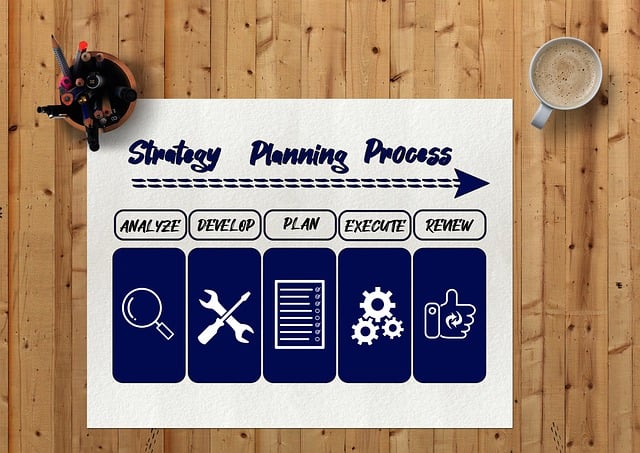
In today’s rapidly evolving business landscape, understanding and implementing effective product development strategies is paramount for success. Among the various methodologies, DMADV stands out as a powerful approach, offering a structured framework to create and deliver innovative products that meet market demands. This article delves into the heart of the DMADV Methodology Explained, exploring the best books and resources to guide organizations through this transformative process. By providing in-depth insights and practical tools, these resources empower businesses to drive growth, enhance customer satisfaction, and stay ahead in their respective industries.
- Understanding DMADV Methodology Explained: Principles and Benefits
- Essential DMADV Books: A Comprehensive Guide for Practitioners
- Implementing DMADV: Best Practices and Real-World Case Studies
Understanding DMADV Methodology Explained: Principles and Benefits
The DMADV Methodology Explained is a powerful framework for businesses aiming to streamline their design, manufacturing, and development processes. This systematic approach emphasizes continuous improvement, efficiency, and customer satisfaction, making it a valuable asset for organizations seeking a competitive edge. At its core, DMADV integrates Just-In-Time (JIT) principles, ensuring that each stage of production is finely tuned to meet demand without excess inventory or waste.
By understanding the intricate dance between design and manufacture, companies can achieve remarkable results. This methodology encourages collaboration across teams, fostering high-performing units dedicated to delivering top-quality products. Through this process, businesses often realize significant cost reductions, achieving savings of 15-30% by streamlining operations and minimizing errors. For instance, a leading electronics manufacturer implemented DMADV, resulting in a 20% drop in production time and a corresponding 18% reduction in manufacturing costs.
The benefits extend beyond financial gains. DMADV promotes a culture of innovation, where each step is scrutinized for improvements. This results in more robust products and enhanced customer experiences. By adopting this methodology, companies can design processes that are not just efficient but also sustainable. For example, by optimizing material usage and reducing scrap, a fashion brand cut its waste by 30%, aligning with growing consumer demands for eco-friendly practices. Integrating DMADV with enterprise resource planning (ERP) systems further amplifies automation advantages, enabling real-time data sharing and informed decision-making.
In conclusion, embracing the DMADV Methodology Explained is a strategic move towards leaner, more agile operations. Its principles offer a proven path to elevate design and manufacturing processes, ultimately driving customer satisfaction and business success. To harness these advantages, organizations are encouraged to reach out to DMADV experts who can provide tailored guidance for their unique journeys towards operational excellence.
Essential DMADV Books: A Comprehensive Guide for Practitioners
The DMADV methodology has established itself as a powerful framework for driving continuous improvement and enhancing production processes. For practitioners looking to master this approach, delving into the right literature is essential. This section highlights the most impactful DMADV books and resources, providing a comprehensive guide tailored to experts and aspiring practitioners alike.
At the core of successful DMADV implementation lies a deep understanding of its principles and practical application. Renowned authors like Michael George and John Maxey offer invaluable insights in their seminal works. George’s "DMADV: A New Product Development Methodology" serves as a foundational text, meticulously explaining each phase—from Define to Verify—and emphasizing the use of metrics to optimize production processes. Similarly, Maxey’s "Six Sigma Techniques for DMADV" delves into the intersection of DMADV and Six Sigma, showcasing how these powerful tools can be combined for exceptional results. These resources are indispensable for grasping the intricacies of DMADV and its potential to revolutionize customer-centric production.
Expanding internationally, several authors have contributed to global DMADV applications. The book "Global Product Development: Using DMADV Across Borders" by Thomas Schryer provides a practical guide for navigating cultural differences and local market requirements when adopting DMADV. This is particularly relevant as companies venture into new territories, ensuring that their product development strategies remain effective and aligned with customer needs worldwide. Furthermore, "Risk Management in New Product Development" by David Rowlands offers a strategic perspective on managing risks inherent in international expansion, aligning with the risk management aspect of DMADV methodology.
For those looking to deepen their understanding and gain actionable insights, attending workshops and webinars conducted by industry experts is highly recommended. These interactive sessions provide opportunities to clarify concepts, exchange ideas, and learn from real-world applications. Additionally, visiting us at [Building High-Performing Teams: Cost Reduction] offers tailored resources and support for professionals aiming to master DMADV. By combining these books, resources, and expert guidance, practitioners can effectively harness the power of DMADV to drive innovation, enhance quality, and achieve significant cost reduction in today’s dynamic business landscape.
Implementing DMADV: Best Practices and Real-World Case Studies
Implementing DMADV: Best Practices and Real-World Case Studies
The DMADV methodology has proven to be a powerful tool for enhancing manufacturing processes, particularly in the pursuit of sustainable production methods. This data-driven approach, which outlines six distinct steps, offers a structured framework for continuous improvement. By focusing on traceability and auditability, organizations can ensure that each phase is well-documented and measurable, leading to more efficient and effective outcomes. A key aspect of DMADV is its ability to integrate sustainability considerations from the outset, enabling manufacturers to identify and mitigate environmental impacts throughout the product lifecycle.
For instance, a leading automotive manufacturer adopted DMADV for their new vehicle design process. Through meticulous application of the six steps—Define, Measure, Analyze, Design, Verify, and Do—they achieved significant reductions in material waste and energy consumption. This case study illustrates how DMADV can drive not only operational excellence but also sustainability goals. Each step is crucial: defining clear objectives, meticulously measuring current performance, analyzing data to identify opportunities, designing solutions that address root causes, verifying effectiveness through trials, and finally implementing changes on a larger scale.
By giving us a call, we can provide personalized guidance tailored to your specific DMADV needs. Engaging with this methodology requires a strategic approach, robust data collection, and a commitment to continuous improvement. Real-world success stories highlight the value of traceability and auditability within DMADV, demonstrating its potential to enhance manufacturing processes while ensuring compliance and fostering sustainability. Embracing these best practices can position your organization for long-term growth and environmental stewardship.
By synthesizing the key insights from this article, readers now possess a robust framework for understanding and implementing the DMADV Methodology Explained. Essential DMADV Books provided a comprehensive guide, illuminating principles and benefits that drive successful design thinking. Implementing DMADV offers best practices and real-world case studies, enabling practitioners to navigate complex challenges effectively. These resources empower individuals and organizations to harness the transformative power of DMADV, fostering innovation and driving lasting success. Moving forward, readers are encouraged to apply these concepts, deepen their knowledge through continued learning, and contribute to the evolving landscape of design methodology.
The DMADV Methodology Explained is a powerful framework for streamlining design, manufacturing, and development. It emphasizes continuous improvement, efficiency, and customer satisfaction through Just-In-Time principles, reducing waste and costs. This methodology fosters collaboration, innovation, and sustainability, as seen in real-world case studies. Best practices include traceability, auditability, and integrating sustainability from the outset. For expert guidance, reach out to DMADV experts. This approach drives operational excellence, customer satisfaction, and long-term growth.