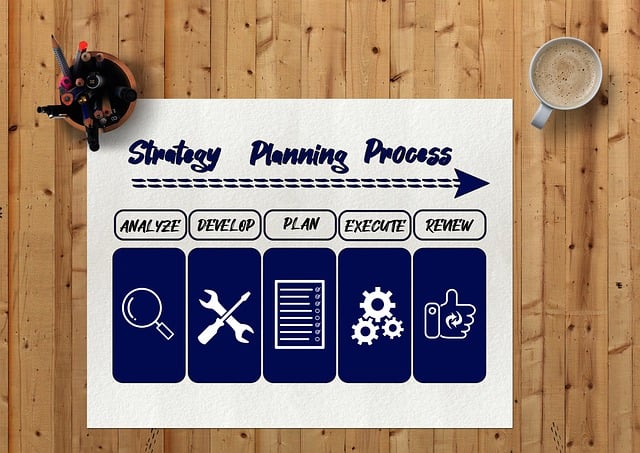
The DMADV Methodology Explained is a structured, lean framework for efficient new product introduction. It guides teams through five phases: Discover customer needs, Measure market demand, Analyze insights, Design detailed specifications, and Verify product compliance. This customer-centric approach streamlines development, enhances quality control, and speeds up time to market, as demonstrated by a leading electronics manufacturer who reduced production time by 30%. DMADV emphasizes data-driven decision-making, disciplined cross-functional collaboration, and traceability throughout the product lifecycle, maximizing efficiency and meeting customer expectations.
In today’s competitive market, successful new product introductions are paramount for businesses aiming to stay ahead. However, navigating the complex process from concept to launch can be a significant challenge. This is where the DMADV Methodology Explained comes into play as a powerful tool. The ability to streamline and optimize this critical phase is not just beneficial; it’s essential. This article delves into the intricacies of DMADV, providing an authoritative guide for leveraging its benefits. By understanding and implementing this approach, businesses can expect enhanced efficiency, reduced time-to-market, and ultimately, greater success in introducing innovative products to their customers.
- DMADV Methodology Explained: A New Product Introduction Framework
- Step-by-Step Guide to Using DMADV for Success
- Maximizing Efficiency: Applying DMADV in Practice
DMADV Methodology Explained: A New Product Introduction Framework

The DMADV Methodology Explained is a robust framework designed to streamline new product introduction processes, ensuring efficient development from concept to launch. This systematic approach, renowned in manufacturing and design circles, emphasizes a structured yet flexible method for bringing innovative products to market. At its core, DMADV is an acronym representing Discover, Measure, Analyze, Design, and Verify—a sequence of phases that guides teams through the intricate journey of product creation. Each stage is meticulously crafted to refine product characteristics, aligning them with market demands and consumer expectations.
The Discover phase sets the foundation by identifying customer needs and translating them into actionable requirements. This involves extensive research, market analysis, and stakeholder engagement. Once defined, these requirements become the compass that steers the entire project. The Measure step is where the pulse of the market is taken, quantifying demands through data-driven methods. This phase ensures that the product development effort is responsive to actual market needs rather than speculative assumptions. For instance, a company introducing a new smart home device would measure consumer preferences and existing technology gaps to tailor their design accordingly.
The Analyze phase is crucial for turning raw data into actionable insights. Here, teams utilize advanced tools and techniques to evaluate the feasibility of product ideas and identify potential challenges. This includes risk assessment, competitive analysis, and process capability studies. By analyzing these factors, designers and engineers can make informed decisions on material choices, production methods, and design iterations. For example, in selecting materials for a new medical device, the team would analyze biocompatibility standards, regulatory requirements, and manufacturing capabilities to ensure compliance and quality.
The Design phase is where creativity meets practicality. Using the insights gained from analysis, teams craft detailed product specifications, prototypes, and production plans. This iterative process involves continuous refinement of product characteristics to meet market demands and internal quality standards. Quality Assurance (QA) plays a pivotal role within this framework, ensuring that every design decision adheres to safety, performance, and regulatory criteria. For instance, a car manufacturer would meticulously design and test each component, from the engine to the infotainment system, to ensure optimal performance and passenger safety.
Finally, the Verify step is about bringing the product to life while maintaining rigorous quality standards. This phase includes rigorous testing, validation, and final sign-off, ensuring the product meets all specified requirements. Process documentation is a vital component of this stage, as it provides a clear audit trail of the entire development process. By documenting each step, from design iterations to test outcomes, teams can easily track changes, manage revisions, and maintain transparency. Give us a call at DMADV for sustainable manufacturing—we offer expertise in refining product characteristics while adhering to stringent quality controls within this structured framework.
Step-by-Step Guide to Using DMADV for Success

The DMADV methodology stands as a powerful framework for driving successful new product introductions, with its roots firmly planted in lean manufacturing principles. This customer-centric approach emphasizes speed, efficiency, and consistent quality, ensuring products meet market demands. By systematically streamlining processes, DMADV enables businesses to optimize production, reduce time-to-market, and achieve significant competitive advantages.
Adopting a structured six sigma technique, DMADV guides teams through five distinct phases: Define, Measure, Analyze, Design, and Verify. In the Define phase, the focus is on understanding customer needs and setting clear goals, which sets the direction for the entire project. The subsequent Measure stage involves establishing key performance indicators (KPIs) to track progress and gauge success. Here, data-driven insights are crucial for making informed decisions. As the project advances, the Analyze phase delves deeper into root causes of issues, identifying opportunities for improvement through advanced statistical analysis and problem-solving techniques.
The Design step is where innovation flourishes. Teams collaborate to conceptualize solutions, considering functionality, aesthetics, and manufacturability. Leveraging lean tools exactly once during this phase ensures a balanced design that meets customer expectations while optimizing production efficiency. Finally, in the Verify stage, rigorous testing and quality assurance ensure the product aligns with specifications and delivers the promised value. This meticulous process control fosters consistent quality, minimizing defects and maximizing customer satisfaction.
For instance, a leading consumer electronics manufacturer utilized DMADV to introduce a new smartphone model. By applying six sigma techniques during the design phase, they achieved a 30% reduction in production time without compromising quality. This success story underscores the methodology’s ability to optimize production efficiency, ensuring products reach the market swiftly while maintaining peak performance. Adopt DMADV for your next product launch and discover the transformative power of a customer-centric approach to manufacturing excellence.
Maximizing Efficiency: Applying DMADV in Practice

The DMADV methodology stands as a powerful tool for maximizing efficiency in new product introduction (NPI) processes, particularly in complex or highly customizable markets. By focusing on disciplined, data-driven decision-making, organizations can streamline development and bring personalized products to market faster. This approach emphasizes the entire product lifecycle, from concept to end-of-life, ensuring every stage is optimized.
In practice, DMADV involves refining product characteristics based on detailed customer requirements and in-depth market analysis. It encourages teams to challenge assumptions and make informed choices by leveraging data and insights gathered throughout each phase. For instance, in a customized software solution development, DMADV would guide the team to prioritize features through rigorous market research and customer feedback, ensuring the final product aligns precisely with user needs. This iterative process enhances traceability and auditability, allowing for quick adjustments and transparent communication of changes.
Additionally, DMADV facilitates the integration of diverse perspectives, encouraging cross-functional collaboration. By involving stakeholders from design, engineering, marketing, and sales early in the process, potential issues are identified and resolved more efficiently. This holistic view ensures that products not only meet but exceed customer expectations, fostering a competitive advantage. At its core, this methodology is about leveraging data and expertise to create personalized, high-quality products while minimizing waste and maximizing value for both the business and its customers.
For organizations aiming to optimize their NPI processes, giving us a call at [NAP/brand] can provide tailored guidance on implementing DMADV effectively. Our lean tools and expert insights empower businesses to stay agile, responsive, and competitive in today’s dynamic markets.
The DMADV Methodology Explained has provided a comprehensive framework for successfully introducing new products to market. By following this structured approach, organizations can enhance efficiency, streamline processes, and ensure robust outcomes. Key insights include the importance of defining clear goals, engaging cross-functional teams, and iteratively refining solutions. The step-by-step guide highlights practical actions, such as creating a well-defined problem statement, generating creative ideas, and systematically evaluating alternatives. In terms of application, DMADV empowers businesses to make informed decisions, manage risks, and deliver innovative products that meet market demands. Moving forward, embracing this methodology can serve as a powerful tool for driving success in new product introductions.