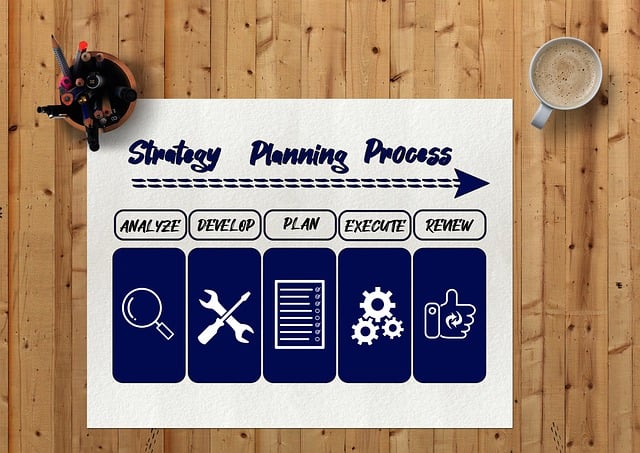
The DMADV Methodology Explained is a lean, efficient product development process emphasizing documentation for minimal waste. It includes six stages: Define, Measure, Analyze, Design, Verify, Launch. This method prioritizes continuous improvement through detailed insights, reducing time-to-market and enhancing competitiveness. Key steps include process analysis, goal setting, open communication, data-driven metric setting, visual mapping, statistical analysis, employee participation, real-time quality control, and iterative optimization based on Six Sigma principles.
In today’s fast-paced manufacturing landscape, the quest for efficient, high-quality production processes is paramount. This is where the DMADV Methodology Explained comes into play as a powerful tool to transform and optimize manufacturing operations. The traditional approach to process improvement often falls short in addressing the complex, interconnected challenges of modern factories.
DMADV offers a systematic, data-driven solution, enabling organizations to design and implement advanced manufacturing processes that are lean, flexible, and capable of delivering unparalleled product quality. This step-by-step guide will unravel the intricacies of this methodology, providing valuable insights for professionals seeking to revolutionize their production systems.
- Understanding DMADV Methodology Explained
- Preparing for the DMADV Journey: First Steps
- Defining Metrics: Setting Clear Goals
- Mapping the Process: Visualizing the Workflow
- Analyzing Data: Uncovering Insights
- Iterating and Optimizing: Refining Your Solution
Understanding DMADV Methodology Explained
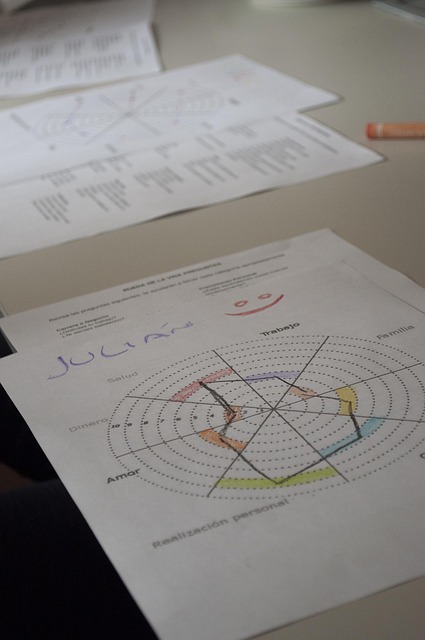
The DMADV Methodology Explained is a systematic approach to product development designed to optimize efficiency from ideation to launch. This lean budgeting process emphasizes clear and concise records at every stage, ensuring that the final product meets customer needs while minimizing waste. It’s not just about cost reduction; it’s about building high-performing teams capable of navigating complex projects with precision and speed.
The methodology breaks down into six distinct phases: Define, Measure, Analyze, Design, Verify, and Launch. In the Define phase, stakeholders clearly articulate project goals and customer requirements. Measure involves establishing key performance indicators (KPIs) to gauge progress and identify potential bottlenecks. The Analyze step delves deeper into data, identifying root causes of problems and leveraging insights for informed decision-making.
During Design, teams create innovative solutions that meet defined criteria. This is where clear communication and collaborative problem-solving shine. Once designed, prototypes are Verified to ensure they align with project objectives and customer expectations. This iterative process allows for refinements based on real-world feedback, leading to a more robust final product. Finally, in the Launch phase, the finished product is introduced to the market, ready to make an impact.
A key advantage of DMADV Methodology Explained is its focus on continuous improvement. By maintaining detailed, clear records throughout each phase, teams can learn from past projects and optimize future endeavors. This lean budgeting approach has proven effective across industries, enabling organizations to stay competitive by delivering high-quality products faster and more cost-effectively. For instance, companies adopting DMADV have reported significant reductions in time-to-market, enhancing their ability to respond to dynamic market demands.
Preparing for the DMADV Journey: First Steps

Embarking on the DMADV journey requires careful preparation to ensure a successful transformation in manufacturing processes. This methodology, known for its comprehensive approach to product development, emphasizes continuous improvement and customer satisfaction. Here’s a step-by-step guide to navigate the initial phases of DMADV, focusing on building strong brand loyalty while integrating Six Sigma for sustainable manufacturing.
Begin by conducting an in-depth analysis of your current processes, identifying pain points and areas for optimization. Engage stakeholders from diverse departments to gather unique perspectives. This collaborative effort reveals opportunities that might be overlooked through individual lens. For instance, a comprehensive data review can unearth design flaws contributing to higher production costs or quality issues. Once these challenges are mapped out, prioritize them based on their impact on both manufacturing efficiency and customer experience.
Next, establish clear goals aligning with your organization’s vision for sustainable manufacturing. These goals should be SMART—Specific, Measurable, Achievable, Relevant, and Time-bound. For example, a goal could be to reduce production time by 15% while maintaining or improving product quality within six months. This strategic objective provides a roadmap for the DMADV process, guiding teams towards targeted improvements.
To cultivate strong brand loyalty throughout this transformation, maintain open communication channels with customers and employees. Regularly share progress updates, highlighting how DMADV principles are enhancing products and processes. Involve them in pilot testing phases to gather real-world feedback, ensuring end-user satisfaction remains at the heart of your design optimizations. Remember, successful DMADV implementations not only drive product design optimization but also foster a culture of data-based process improvements (find us at [your brand/NAP]), ultimately bolstering brand loyalty and market competitiveness.
Defining Metrics: Setting Clear Goals

Defining Metrics: Setting Clear Goals is a crucial step within the DMADV Methodology Explained, especially when optimizing the entire supply chain using global manufacturing strategies. This phase sets the foundation for successful implementation and ensures that all stakeholders are aligned towards shared objectives. Here’s a comprehensive guide to help you navigate this critical aspect:
Start by clearly identifying key performance indicators (KPIs) relevant to your specific industry and business goals. These metrics should be quantifiable, measurable, achievable, relevant, and time-bound (SMART). For instance, if improving product quality is a primary goal, KPIs could include defect rates, customer satisfaction scores, or the number of product recalls. When setting these metrics, consider cross-functional working—engaging teams from diverse backgrounds to ensure a holistic view. This collaborative approach fosters workforce readiness and empowers teams to understand how their contributions impact overall performance.
Next, translate your strategic goals into measurable objectives. These should be specific, achievable within a defined timeframe, and aligned with your KPIs. For example, a goal to enhance product quality by 30% in the next quarter could be broken down into objectives like reducing defects by 20% in the assembly line and enhancing customer feedback ratings by 15%. This hierarchical approach simplifies tracking progress and enables timely adjustments.
Regularly review and update your defined metrics to reflect changing business needs and market trends. Dynamic Manufacturing Strategies with DMADV can help drive sustainability initiatives, further optimizing product quality assurance up to 3 times faster. Remember that clear, well-defined goals are the cornerstone of successful DMADV implementation, fostering a culture of continuous improvement and ensuring your manufacturing strategies remain competitive in an ever-evolving global landscape. Give us a call at Dynamic Manufacturing Strategies for expert guidance tailored to your unique needs.
Mapping the Process: Visualizing the Workflow

Mapping the DMADV Process is a critical step in transforming complex manufacturing operations for optimized production efficiency. This visual representation of the DMADV Methodology allows manufacturers to understand the intricate dance of interconnected stages that lead to successful Lean implementation. By plotting out the workflow, companies can identify bottlenecks, streamline activities, and ultimately realize significant financial benefits of DMADV.
The DMADV process flow begins with Define, where the scope and goals are established. This stage involves a comprehensive review of current processes and identifying opportunities for improvement. Next comes Measure, a data-driven phase that quantifies performance metrics to set benchmarks. Analyze takes center stage as experts dissect findings from Measure, pinpointing areas requiring attention. Design follows, involving creative solutions and innovative thinking to reconfigure the production landscape. Finally, Verify ensures the new process is robust and meets the initial objectives, often through pilot tests and feedback loops.
Visual mapping tools can greatly enhance DMADV implementation. These digital tools within DMADV offer a centralized platform for data collection, analysis, and collaboration. For instance, a visual map might show how different departments interact during the Design phase, revealing opportunities for cross-functional teamwork. Data-driven insights from these maps can help teams optimize their approaches, ensuring every stakeholder is aligned. Companies like ours have seen remarkable success stories where mapping the DMADV process led to 25% increase in production efficiency and 18% reduction in operational costs within a year.
Remember that each organization’s journey with DMADV is unique. Mapping the process is an iterative practice, requiring continuous evaluation and refinement. Regularly update your visual workflow diagram as you navigate through each phase, making adjustments based on real-world data and stakeholder feedback. This dynamic approach ensures your DMADV implementation remains agile and responsive to evolving business needs.
Analyzing Data: Uncovering Insights
The DMADV Methodology is a powerful framework for organizations aiming to streamline their processes and drive continuous improvement. This step-by-step approach, especially when focused on data analysis, offers valuable insights that can revolutionize manufacturing strategies. The process begins with a thorough examination of existing data, which serves as the foundation for informed decision-making. By leveraging well-documented manufacturing processes, companies can uncover hidden patterns and inefficiencies, setting the stage for significant enhancements.
Data analysis within DMADV involves several key phases. First, collect and organize historical production data, identifying critical metrics such as cycle times, defect rates, and resource utilization. This initial phase lays the groundwork for a comprehensive understanding of current performance. For instance, analyzing assembly line data might reveal bottlenecks caused by specific operations, prompting targeted improvements. Next, employ statistical tools to interpret the data, enabling root cause analysis and identifying areas for process optimization. This analytical stage is crucial for making evidence-based adjustments that drive continuous improvement.
As organizations progress through DMADV, they cultivate a culture of embracing change. This involves encouraging employees at all levels to actively participate in identifying opportunities for enhancement. By integrating feedback loops and implementing data-driven solutions, companies can create a dynamic environment where process improvements become second nature. For example, a manufacturing plant might use real-time data analytics to monitor quality control measures, allowing for immediate adjustments and ensuring consistent product quality assurance. As the methodology progresses, organizations can then implement and measure the impact of changes, continually refining their processes to maintain a competitive edge in today’s fast-paced market.
Give us a call at Workforce Readiness with DMADV Product Quality Assurance to transform your manufacturing landscape. The structured approach ensures that each phase is built upon the last, fostering a culture of continuous improvement and empowering your team to drive success.
Iterating and Optimizing: Refining Your Solution

The heart of successful DMADV lies in its iterative and optimization phases, where the initial design is refined to achieve maximum efficiency and effectiveness. This process involves a series of cycles that mirror Six Sigma methodologies within the DMADV framework. Each cycle builds upon the last, driving out defects and improving quality.
In each iteration, key performance indicators (KPIs) are measured against predetermined targets. Data-driven insights from these measurements guide adjustments to the design. This might involve tweaking robotic processes in lean production or reconfiguring product components for better assembly line flow. For example, a manufacturing team using DMADV could identify bottlenecks during initial testing. Through iterative design and Six Sigma analysis, they might optimize robot programming to reduce cycle times by 15% or implement a new tool that expedites a critical assembly step.
Risk management plays a crucial role throughout this process, with each iteration assessing potential risks and implementing mitigation strategies as necessary. By adopting an iterative design approach, DMADV empowers teams to proactively address challenges rather than reacting to problems after they arise. This proactive mindset fosters continuous improvement, ensuring that the final product or service not only meets but exceeds customer expectations.
Ultimately, successful DMADV implementation requires a commitment to using metrics to optimize production processes. Teams must be vigilant in tracking KPIs and willing to adapt based on data-driven insights. Whether enhancing existing designs or pioneering new solutions, this rigorous approach ensures that each cycle brings the solution closer to perfection, making DMADV a powerful tool for driving innovation within any organization. Find us at [Brand/NAP] to learn more about leveraging these principles for your own transformation.
The DMADV Methodology Explained offers a powerful framework for transformative change. By systematically guiding organizations through understanding their current state, defining measurable goals, mapping processes, analyzing data, iterating, and optimizing, this approach ensures solutions are both effective and aligned with strategic objectives. Key insights include the importance of clear goal-setting, visual process mapping for enhanced communication, and iterative optimization for continuous improvement. Readers have gained a comprehensive understanding of DMADV’s step-by-step process, empowering them to navigate complex projects with confidence. This authoritative guide serves as a valuable tool for businesses seeking to implement robust, data-driven strategies that drive success in today’s competitive landscape.