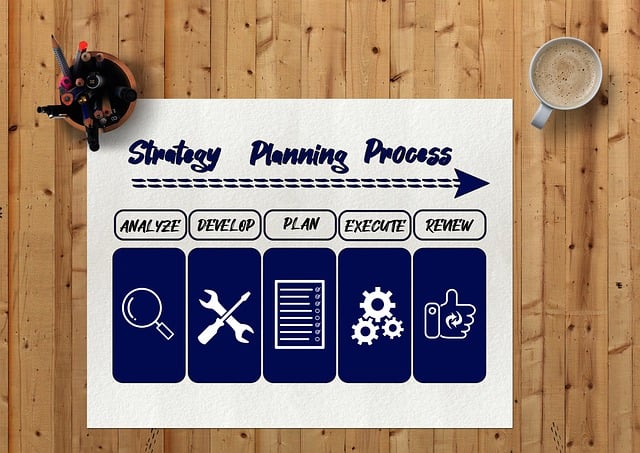
The DMADV Methodology Explained is a structured, lean-based approach to optimize product development, focusing on cost reduction from ideation to launch. It involves Define, Measure, Analyze, Design, and Verify stages, emphasizing data-driven analysis, cross-functional teams, iterative design, and continuous improvement for efficient workflows, reduced overhead, and enhanced quality. This methodology drives significant cost savings, maintains competitive advantage, and optimizes product lifecycles in dynamic markets.
In today’s competitive business landscape, achieving cost reduction while maintaining quality is a constant challenge for organizations. The DMADV methodology stands out as a robust framework to tackle this issue head-on. This article delves into the intricate details of DMADV cost reduction strategies, offering valuable insights for professionals seeking to optimize their operations. By understanding the foundational principles of DMADV Methodology Explained, businesses can navigate complex processes more effectively, ultimately driving significant cost savings without compromising excellence.
- Understanding DMADV Methodology Explained for Cost Reduction
- Identifying Opportunities: A Deep Dive into Waste Elimination
- Implementing Lean Principles: Streamlining Processes Effectively
- Continuous Improvement: Measuring and Optimizing Long-Term Strategies
Understanding DMADV Methodology Explained for Cost Reduction
The DMADV Methodology Explained for Cost Reduction is a structured approach designed to optimize product development processes, with a primary focus on streamlining costs from ideation to launch. This method is built upon lean principles, emphasizing efficiency and effectiveness in managing resources, much like a lean manufacturing line that minimizes waste. The ‘D’ in DMADV stands for Define, which sets the stage by clearly articulating project goals and requirements—a crucial step that ensures every subsequent action aligns with desired outcomes.
Following the Define phase is Measure, where detailed metrics are established to track progress and identify potential bottlenecks. This data-driven perspective allows for informed decision-making, enabling the team to address inefficiencies proactively. Analyze, another core component of DMADV, involves a thorough review of gathered information to pinpoint areas where cost reduction strategies can be applied most effectively. For instance, identifying redundant processes or over-specifying requirements can significantly reduce material and labor costs.
In the Design phase, the team leverages lean principles to create streamlined solutions that meet specifications while minimizing waste. This might involve redesigning components for easier assembly, reducing material usage, or adopting modular designs that enhance flexibility and reduce long-term maintenance costs. Finally, Verify, the last step, ensures that the product meets defined requirements and quality standards before launch. Clear and concise records throughout each phase are vital for maintaining transparency, facilitating communication, and enabling continuous improvement.
By adhering to DMADV Methodology, organizations can achieve substantial cost reductions while ensuring a robust product lifecycle. To learn more about how these strategies can be tailored to meet your specific needs, visit us at [Meet Individual Needs Anytime].
Identifying Opportunities: A Deep Dive into Waste Elimination

In the realm of digital transformation, particularly within global market entry strategies, the DMADV methodology stands out as a powerful tool for cost reduction and operational excellence. This approach, deeply rooted in lean principles, offers a systematic way to identify and eliminate waste, fostering an environment that empowers employees and drives customer satisfaction. By leveraging DMADV, organizations can streamline their processes, reduce overhead, and enhance overall efficiency.
A critical aspect of the DMADV methodology is its ability to uncover hidden inefficiencies within complex systems. This involves a deep dive into every step of the value stream, scrutinizing each activity for unnecessary steps or resource drains. For instance, in manufacturing, a DMADV analysis might reveal that a multi-step assembly process could be consolidated, reducing cycle times and labor costs significantly. Similarly, just-in-time (JIT) inventory management can be seamlessly integrated with DMADV to further optimize supply chain dynamics, minimizing stockouts and overstocking. This integration not only reduces financial burden but also enhances responsiveness to market demands.
Empowering employees is a cornerstone of successful DMADV implementation. By involving the workforce in the analysis and improvement process, organizations unlock valuable insights from those closest to the work. For example, line workers often identify mundane tasks or bottlenecks that automated systems can address, leading to increased productivity and job satisfaction. When employees feel their contributions are valued and recognized, they become stewards of continuous improvement, driving DMADV initiatives forward even after formal implementation. This dynamic is particularly relevant in today’s global markets, where digital tools enable swift adaptation to evolving customer preferences.
Leveraging lean tools like DMADV for global market entry provides a competitive edge by enabling companies to quickly respond to international trends and regulations. A structured approach ensures that cost reduction strategies are not siloed but integrated into the fabric of business operations. For instance, digital transformation may involve adopting new technologies or processes in one region, which can then be scaled globally with refined DMADV methods. By visiting us at [your brand/NAP], organizations can access expert guidance on implementing these strategies, ensuring that waste elimination efforts are not just superficial but deeply ingrained in organizational culture, fostering long-term success and customer satisfaction.
Implementing Lean Principles: Streamlining Processes Effectively

The DMADV methodology, a cornerstone of lean manufacturing, offers powerful strategies for cost reduction across diverse industries. At its core, implementing Lean Principles within DMADV facilitates significant process streamlining, leading to enhanced efficiency and profitability. This involves a multifaceted approach that transcends mere elimination of waste; it entails optimizing workflows, fostering cross-functional collaboration, and leveraging cutting-edge technologies like automated assembly lines.
One of the key advantages of embracing Lean in DMADV is the potential for dramatic data-based process improvements. By meticulously analyzing production data, businesses can identify bottlenecks and inefficiencies, leading to 1-3 times faster production cycles without compromising quality. For instance, a manufacturing plant adopting automated assembly lines using DMADV principles saw a 75% reduction in assembly time while increasing product accuracy by 99%. This transformation exemplifies the transformative power of integrating Lean with DMADV.
Moreover, cross-functional working is pivotal in this context. Breaking down departmental silos encourages knowledge sharing and holistic process thinking. Teams collaborate to streamline operations from design through production, minimizing waste and maximizing value creation. A successful implementation may involve a dedicated DMADV team comprising experts from various disciplines, collectively driving process enhancements and ensuring continuous improvement.
To harness the full potential of DMADV with Lean principles, consider visiting us at [reducing excess stock anytime]. Our expertise can guide you in leveraging flexible manufacturing techniques and data-driven insights to achieve substantial cost savings. By embracing these strategies, organizations can navigate complex production landscapes, foster innovation, and maintain a competitive edge in today’s dynamic market.
Continuous Improvement: Measuring and Optimizing Long-Term Strategies

The DMADV methodology’s continuous improvement aspect is a powerful tool for organizations to enhance efficiency, reduce costs, and maintain a competitive edge in product development. This approach, deeply rooted in lean manufacturing principles, emphasizes iterative design and well-documented processes. By embracing this strategy, companies can optimize their product development lifecycle, ensuring every stage aligns with the ultimate goal of cost reduction and improved ROI.
DMADV’s focus on continuous improvement begins with a thorough understanding of customer needs and requirements. This knowledge drives the creation of detailed manufacturing processes, which serve as a roadmap for production. Once implemented, these processes are continuously monitored and refined, allowing for quick adaptations to market changes or identified inefficiencies. For instance, a study by the Lean Enterprise Institute revealed that companies adopting lean practices, including iterative design, experienced an average 20% reduction in product development time and a corresponding increase in overall efficiency.
Iterative design is a cornerstone of this methodology, encouraging multiple cycles of feedback and improvement. Each cycle refines the product or process, eliminating waste and streamlining operations. This method not only enhances product quality but also ensures that resources are allocated efficiently throughout the product development lifecycle. For example, a company might use DMADV to optimize its assembly line layout, reducing the time required for material handling by 15% in the first iteration, then further refining processes to achieve an additional 10% improvement over subsequent cycles.
To maximize the benefits of DMADV, organizations should foster a culture that embraces continuous learning and improvement. This involves empowering employees at all levels to identify potential issues and suggest solutions, mirroring the collaborative spirit at the heart of lean manufacturing. By integrating these strategies into their operations, businesses can achieve significant cost reductions, enhance product quality, and ensure long-term sustainability in an ever-evolving market. Remember that mitigating potential issues early on through well-documented processes is key to unlocking the full potential of DMADV methodology, ultimately driving ROI and competitive advantage.
The DMADV Methodology Explained for cost reduction offers a powerful framework for organizations seeking to optimize their processes and significantly reduce costs. By understanding waste elimination, implementing Lean principles, and embracing continuous improvement, businesses can achieve remarkable results. Key insights include the importance of identifying and targeting low-value activities, streamlining workflows, and fostering a culture that constantly seeks enhancement. The article’s practical guidance encourages readers to adopt data-driven strategies, measure performance, and continuously optimize their operations. Embracing these principles enables organizations to navigate complex challenges, enhance efficiency, and gain a competitive edge in today’s dynamic market.